
Webinar with the IHK: the Digital Product Passport – what needs to be done?

The Digital Product Passport is arriving step by step: first for batteries, then for steel, textiles and other product groups. Many companies know it will affect them, but not when, or what they should be doing today. That is the subject of the webinar “Digitaler Produktpass – was ist zu tun?” (“The Digital Product Passport – what needs to be done?”) hosted by the IHK Mittlerer Niederrhein, the chamber of commerce for the Lower Rhine region, on 27 October 2026. The speaker is Oskar Cornelissen, co-founder and Chief Legal Officer of Reguly. Participation is free of charge. The webinar is held in German.
- Date
- Tuesday, 27 October 2026
- Time
- 10:00 to 11:00 CET
- Format
- Online webinar, in German
- Host
- IHK Mittlerer Niederrhein
- Speaker
- Oskar Cornelissen, co-founder and CLO, Reguly
- Cost
- free, registration via the IHK
The four topics of the webinar
- Basics and requirements of the Digital Product Passport
- Preparing and implementing product data and systems
- Added value through product digitalisation: the opportunities for processes, services and customer relationships
- First steps and priorities for companies
The webinar is aimed at companies that have to, or want to, get to grips with the product passport, from manufacturers and importers to retailers. No prior knowledge is needed. There will be time for questions at the end.
What the product passport is about
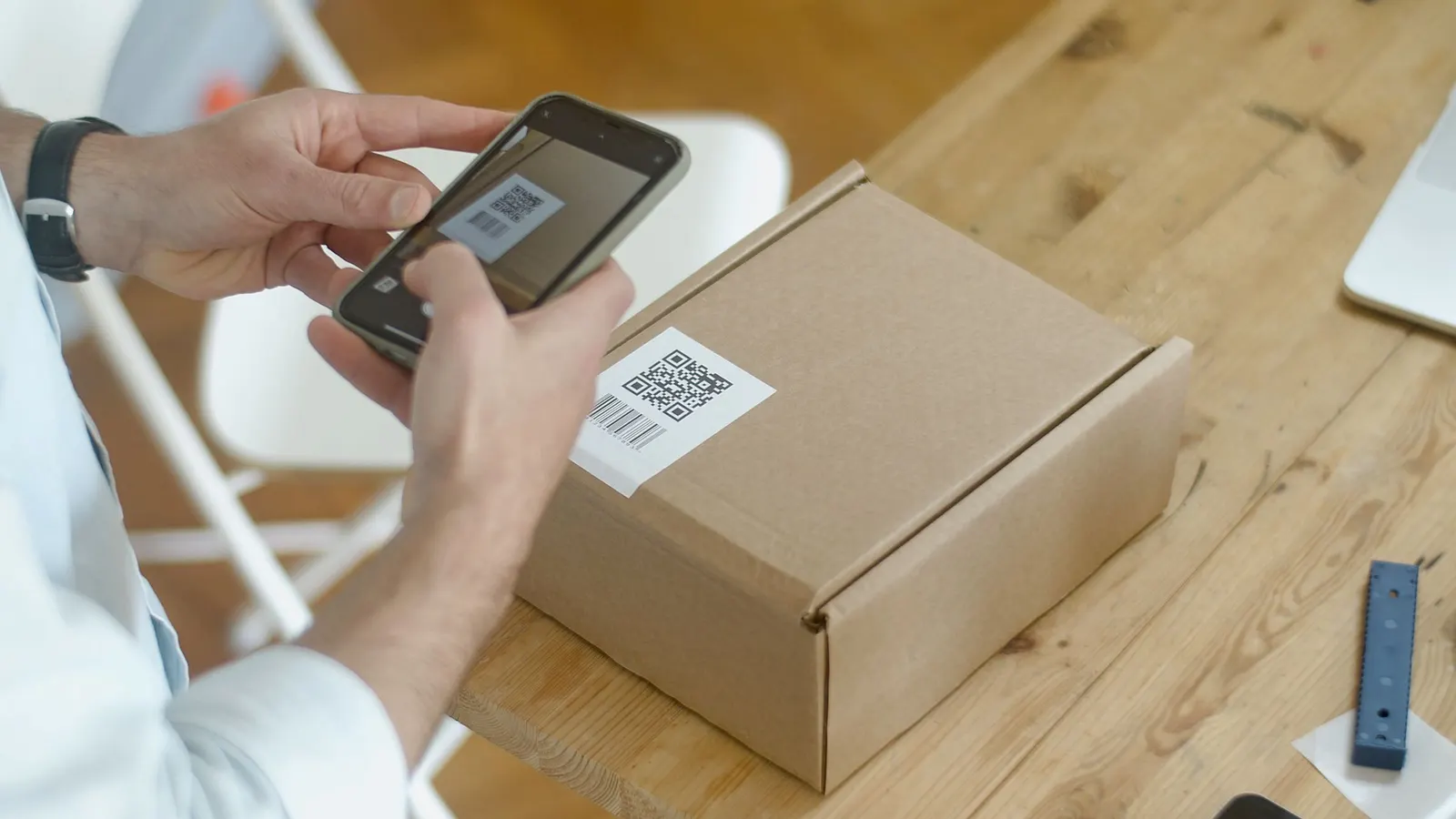
The Digital Product Passport is a digital data record for a product that can be accessed via a data carrier such as a QR code. It contains information on materials, origin, substances of concern, repair, recycled content or carbon footprint, for example. Its main legal basis is the Ecodesign for Sustainable Products Regulation (ESPR, Regulation (EU) 2024/1781). It has applied since July 2024 but only sets the framework. Which products need a passport and what data it must contain is laid down by the Commission in a separate delegated act for each product group. As a rule, at least 18 months then pass before the requirements apply.
The first binding deadline does not come from the ESPR but from the Batteries Regulation (EU) 2023/1542: from 18 February 2027, electric vehicle batteries, batteries for light means of transport and industrial batteries above 2 kWh need a battery passport. For iron and steel, the Commission has announced the first delegated act under the ESPR for the fourth quarter of 2026. Textiles, aluminium and tyres are due to follow in 2027.
The EU registry is already running
The central registry for product passports under Article 13 ESPR has been in operation since 20 July 2026. So far, only organisations can enrol. Product passports themselves will only be registered once a delegated act requires this for a product group.
The key dates
Framework for ecodesign requirements and the Digital Product Passport.
Initially for enrolment of organisations only.
First product group with a passport under the ESPR. Application no earlier than 18 months after entry into force.
For electric vehicle batteries, batteries for light means of transport and industrial batteries above 2 kWh.
Delegated acts planned under the Commission’s working plan; data requirements not yet binding.
Why companies should not wait for the delegated act
The effort rarely lies in the QR code. It lies in the data: what information on materials, substances and origin is already available, in which system, and what still has to be obtained from suppliers? These questions can be answered today, even without knowing the final delegated act. Much of the data is needed for other obligations anyway, such as the Packaging and Packaging Waste Regulation (PPWR), REACH or CBAM. Structure it properly once and you can use it several times.
There are also benefits beyond compliance. A product passport can provide repair and spare-parts information, reduce queries to customer service, make take-back and resale easier and keep the connection with the customer after the purchase. This side of product digitalisation is also covered in the webinar.
What you can clarify before the webinar
- Which of your products fall into a product group for which a passport is planned? The customs tariff (HS code) helps with the classification.
- Where is your product data today: in the ERP, in the PIM, in spreadsheets or with suppliers?
- What information is missing on materials, substances of concern and recycled content?
- What data do you already collect for other obligations, such as the PPWR?
Note
This overview is based on publicly available sources and is not binding legal advice. For an assessment of your individual case, please consult a lawyer or an accredited body.
Talk to us
Register now for free
Webinar “Digitaler Produktpass – was ist zu tun?” on 27 October 2026 from 10:00 to 11:00 CET, held in German. Registration is handled by the IHK Mittlerer Niederrhein.
Register with the IHK