
Digital Product Passport (DPP): what is coming

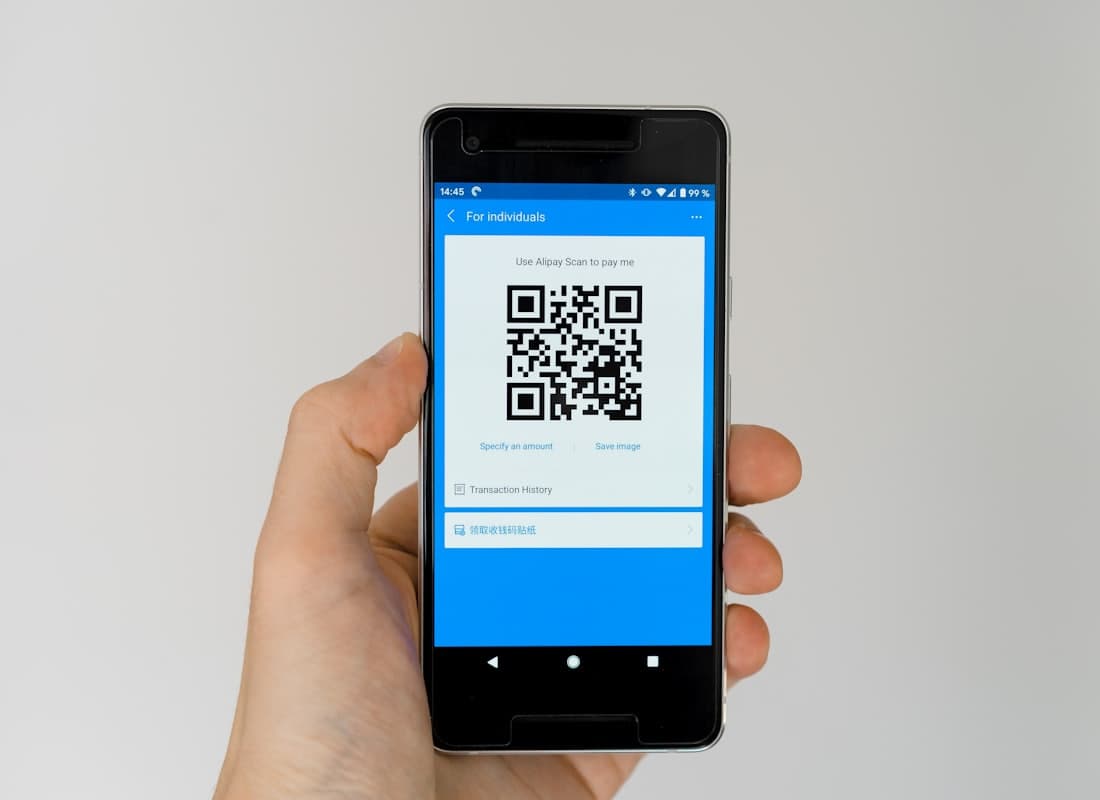
The Digital Product Passport (DPP) is a core building block of the EU Ecodesign Regulation (ESPR). Through a data carrier — usually a QR code — consumers, retailers and authorities gain access to structured product information: origin, materials, repairability, recyclability and more.
Why the DPP is coming
The EU wants to strengthen the circular economy and make products more transparent. The DPP brings together information that today is scattered across data sheets, labels and supplier documents into one digitally accessible place — product-specific, current and machine-readable.
- Legal basis
- EU ESPR
- Access
- QR / data carrier
- First product groups
- batteries, textiles and others
- Data storage
- structured
Which data belongs in the passport
- Product identification (GTIN, SKU, category)
- Material composition and recycled content
- Repairability, spare parts and durability
- Recycling and disposal information
- Conformity and certification evidence
One data pool, several outputs
Capture product and packaging data cleanly once and you can feed the DPP, the PPWR declaration of conformity and the sustainability report from it — instead of maintaining each requirement separately.
Talk to us
Prepare for the DPP early
We show you which product data to structure now so that the Digital Product Passport is ready at the push of a button later. Let us talk.
Discuss DPP readiness