

Wood Pallets for Europe: pallet industry forms Brussels alliance

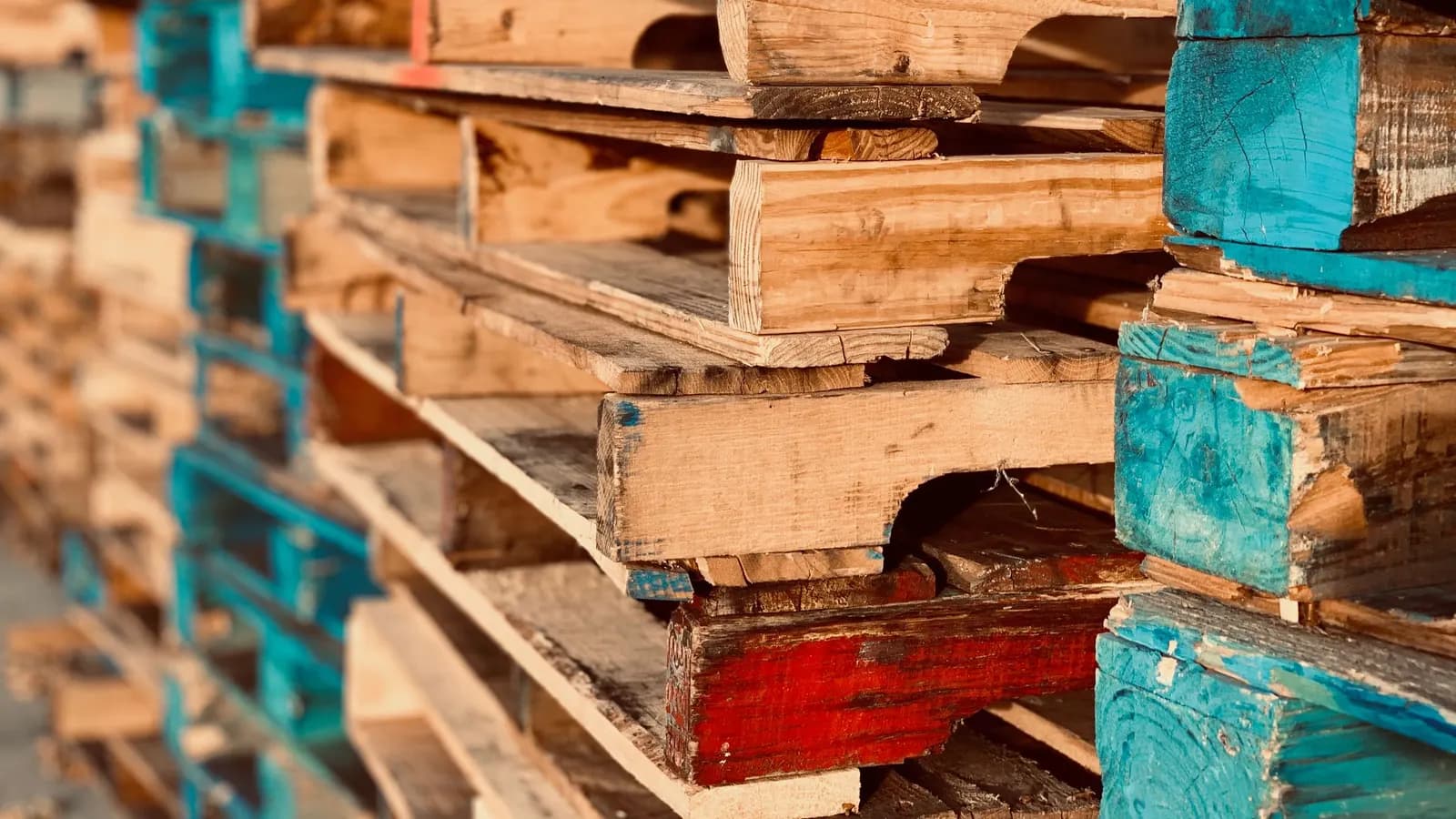
Europe’s wooden pallet industry will now speak with one voice in Brussels. On 17 September 2026, four companies and two associations presented the alliance “Wood Pallets for Europe”, which was founded over the summer. It aims to show EU institutions what wooden pallets contribute to the circular economy and to ensure that future rules take account of the properties of wood and the exchange and repair systems already in place. The focus is on the Packaging and Packaging Waste Regulation (PPWR) and the planned Circular Economy Act. This article summarises who is behind the alliance and which obligations for pallets are already fixed today.
- Name
- Wood Pallets for Europe
- Based in
- Brussels
- Announced
- 17 September 2026
- Chair
- Jan Ponnet, CEO of the Foresco Group
- Companies
- CJ Sheeran Group, Euroblock Verpackungsholz, Foresco, PGS Group
- Associations
- European Pallet Association (EPAL), Woodpack Global
- Topics
- PPWR, Circular Economy Act, re-use
- Status
- advocacy, no change to the law
Who is behind the alliance
The founding members are the companies CJ Sheeran Group from Ireland, Euroblock Verpackungsholz, the Belgian pallet provider Foresco and PGS Group. They are joined by two organisations: the European Pallet Association (EPAL), which runs the open exchange pool for EPAL Euro pallets, and Woodpack Global. According to the alliance, its members manufacture, repair and manage a significant share of the pallets circulating across Europe. The chair is Jan Ponnet, CEO of the Foresco Group.
What the alliance wants to achieve
The alliance intends to engage with EU institutions and policymakers with a single, credible voice. Its tool is data-based advocacy: it wants to give policymakers practical expertise and figures from across the sector. The goal is for new rules to recognise the specific characteristics of wood and the circular systems built around it. The alliance names four topics:
- re-use, repair and refurbishment of pallets
- recycling of pallets at end of life into secondary products
- wood as a renewable raw material and its competitiveness
- taking the properties of wooden pallets into account in future EU rules
Europe already has a proven circular economy success story in wooden pallets.
The first talks have already taken place: in July, representatives of the initiative met the environment attachés of Belgium and Italy. The topics were the implementation of the PPWR and the planned Circular Economy Act.
Why pallets fall under the PPWR
Pallets are transport packaging within the meaning of Regulation (EU) 2025/40. The provision that matters most to the industry is Article 29 PPWR with its re-use targets. The obligations are not addressed to pallet manufacturers but to the economic operators that use pallets to transport their goods. Those operators therefore decide which pallets will be in demand.
| Obligation under Article 29 PPWR | From | Applies to |
|---|---|---|
| At least 40 % reusable packaging within a system for re-use | 1 January 2030 | pallets, foldable plastic boxes, boxes, trays, plastic crates, IBCs, pails, drums, canisters, and pallet wrappings and straps |
| Target of 70 % | 1 January 2040 | the same packaging types |
| 100 % reusable | 1 January 2030 |
|
Obligation under Article 29 PPWR
At least 40 % reusable packaging within a system for re-use
- From
- 1 January 2030
- Applies to
- pallets, foldable plastic boxes, boxes, trays, plastic crates, IBCs, pails, drums, canisters, and pallet wrappings and straps
Obligation under Article 29 PPWR
Target of 70 %
- From
- 1 January 2040
- Applies to
- the same packaging types
Obligation under Article 29 PPWR
100 % reusable
- From
- 1 January 2030
- Applies to
- transport between an operator’s own sites or linked enterprises
- deliveries to another economic operator in the same Member State
For pallet wrappings and straps, the Commission has already adopted Delegated Decision (EU) 2026/429, exempting them from the 100 % obligation within a Member State because switching would be disproportionately costly. The pallet itself is not covered by this exemption. The 40 % target from 2030 continues to apply to all transport packaging listed.
Not every wooden pallet counts as reusable
Only packaging designed as reusable and circulating within a system for re-use counts towards the targets. A one-way pallet that is disposed of after a single delivery does not count, even if it could technically be used several times. What matters for users is being able to show that their pallets belong to an exchange or pooling system.
Why the industry is going to Brussels now
The PPWR has applied since 12 August 2026. Many details, however, are still to be set by the Commission in delegated and implementing acts. At the same time, it is preparing the Circular Economy Act, which is meant to reorganise the framework for re-use and secondary raw materials. Definitions, calculation methods and exemptions are being settled in this phase. For the pallet industry, this includes whether repair and refurbishment are properly recognised and how mixed pallet pools are counted towards the targets.
A look at the United Kingdom shows how easily wood can slip through the cracks of assessment systems: under the UK Recyclability Assessment Methodology, wood is rated “red” by default unless a take-back scheme is demonstrated. More on this in “PPWR vs UK EPR: recyclability compared”.
What companies should do now
The alliance does not change the law. For companies that ship or receive goods on pallets, the obligations under Article 29 remain the same. Preparing for 2030 does not depend on the outcome of the lobbying.
- Record your pallet stock: how many pallets do you use per year, and how many of them circulate in an exchange or pooling system?
- Separate transport routes: from 2030, the 100 % obligation applies to transport between your own sites and to deliveries within one Member State; the 40 % target applies to all others.
- Keep evidence: membership of a system for re-use should be documented for each pallet type.
- Review one-way pallets: where one-way pallets are in use today, compare them with pooling systems before the targets apply.
- Follow developments: the alliance’s positions and further Commission exemptions may still shift or clarify individual obligations.
Key dates
Representatives of the initiative meet the environment attachés of Belgium and Italy on the PPWR and the Circular Economy Act.
Regulation (EU) 2025/40 applies in all Member States.
Wood Pallets for Europe goes public in Brussels, chaired by Jan Ponnet.
At least 40 % reusable transport packaging; 100 % within an operator’s own group and within the same Member State.
The share of reusable transport packaging is to rise to 70 %.
Note
This overview is based on publicly available sources and is not binding legal advice. For an assessment of your individual case, please consult a lawyer or an accredited body.
Talk to us
Assess where you stand in ten minutes
The free PPWR check asks about roles, packaging types and target markets and shows which obligations already apply to your company, including for transport packaging.
Start PPWR check