
Recyclability: designing packaging for the loop

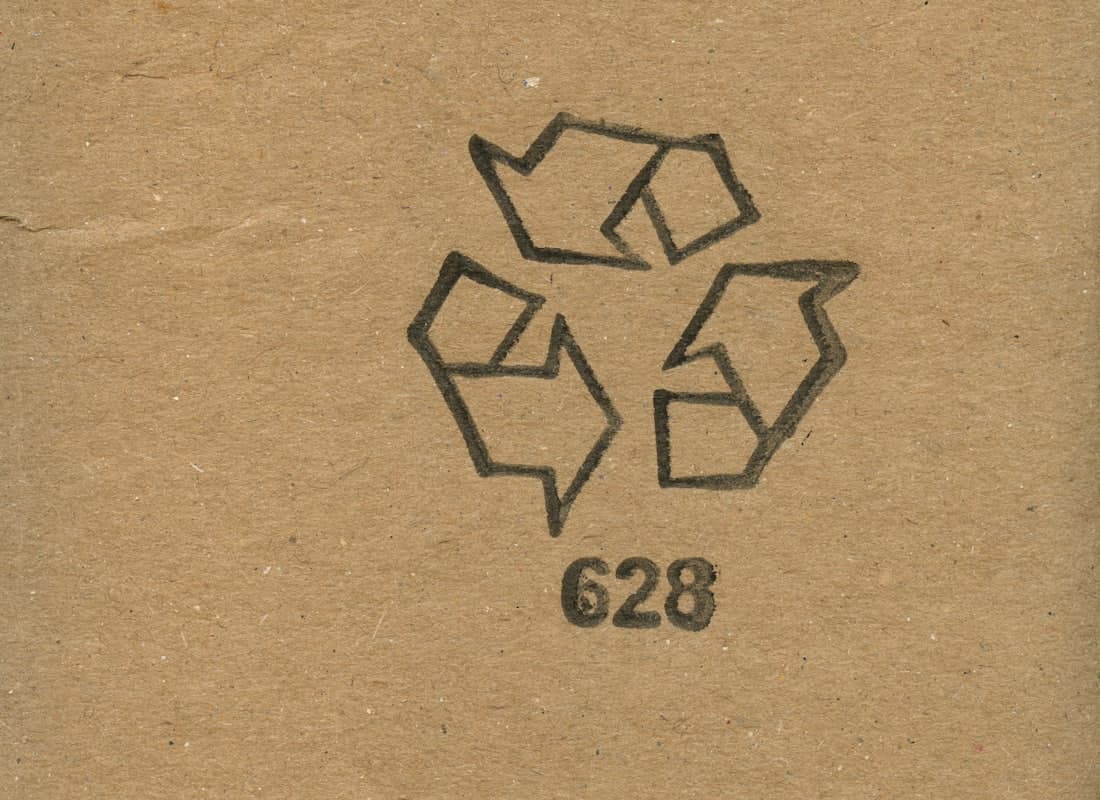
Recyclability is the heart of the PPWR: from 2030 only packaging designed to be recyclable may in principle enter the EU market — and from 2035 it additionally matters that it is actually recycled at scale.
What “recyclable” really means
Recyclability is not a yes/no property but is assessed through performance grades (A–C). What matters is the choice of material, the separability of components, disruptive substances (certain adhesives, labels or colours) and whether an established collection and sorting infrastructure exists for the material.
Design for recycling — the levers
- Use mono-materials instead of composites that are hard to separate
- Choose labels, sleeves and adhesives that suit recycling
- Avoid problematic colours and coatings
- Design components to separate easily (lid and body, for instance)
- Document material details and recycled content cleanly
- Recyclable from
- 2030
- Recycled at scale from
- 2035
- Assessment
- Grades A–C
- Goal
- Circularity
Recyclability is a data topic too
Whether a piece of packaging is recyclable follows from its material data. Capture composition, weights and components in structured form and you can trace the classification, document it and evidence it to authorities.
Talk to us
Is your packaging fit for 2030?
We help you assess the recyclability of your packaging in a structured way and prepare the data for evidence and optimisation. Talk to us.
Have recyclability assessed